
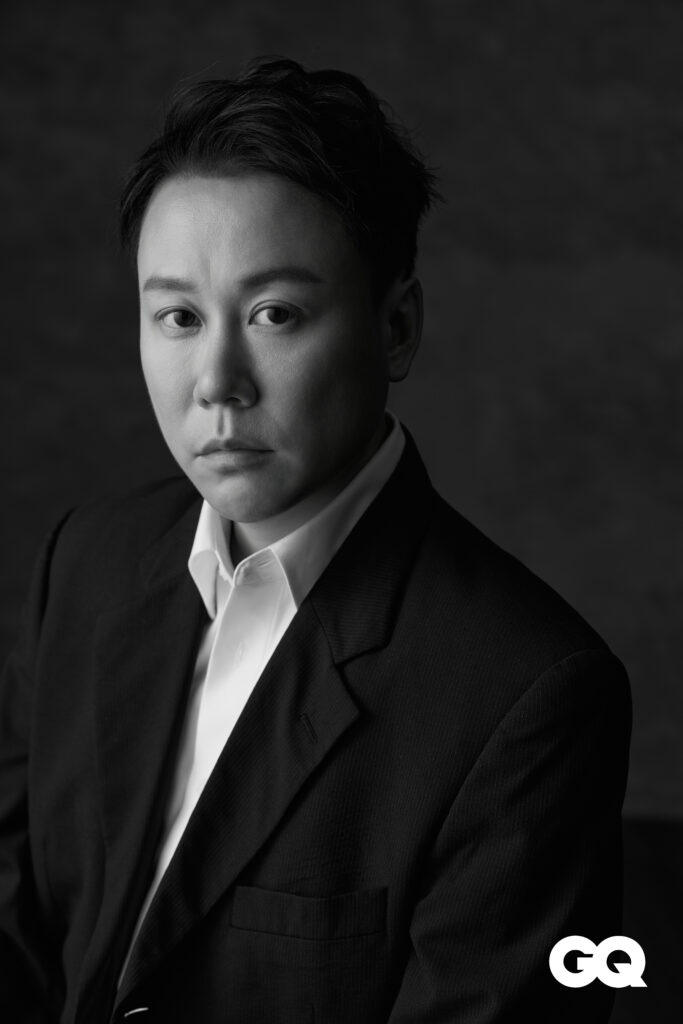

For anyone born into a family business of that size, legacy is a heavy word. Edwin sees it unusually clearly. “I do not really feel it as a choice between the family and myself,” he says. “My grandfather started the company, my father built it into what it is, and I grew up around it. The responsibility is there, of course. A lot of people are tied to the name, so you do not treat it lightly.” Rather than going out of his way to prove himself elsewhere, he put his training in architecture and planning back into the business. “I am trying to do my part properly, and to bring something of my own to it.”

That instinct for space is the weapon he carries across fields. By day he is a decision-maker in the family business; by night he runs FAYY, and sometimes DJs there. To Edwin the logic underneath is identical. “For me it comes back to the room. I studied architecture, so I was trained to look before I draw. DJing is the same habit, just faster. You can feel quite quickly if people came to listen or just to be seen, and if you play the wrong record the floor lets you know. A boardroom is quieter about it, but you learn to read that too. Who has not spoken. Whether the real point is being said in the meeting or afterwards.” He does not see two split lives. He just wants the thing in front of him done properly.
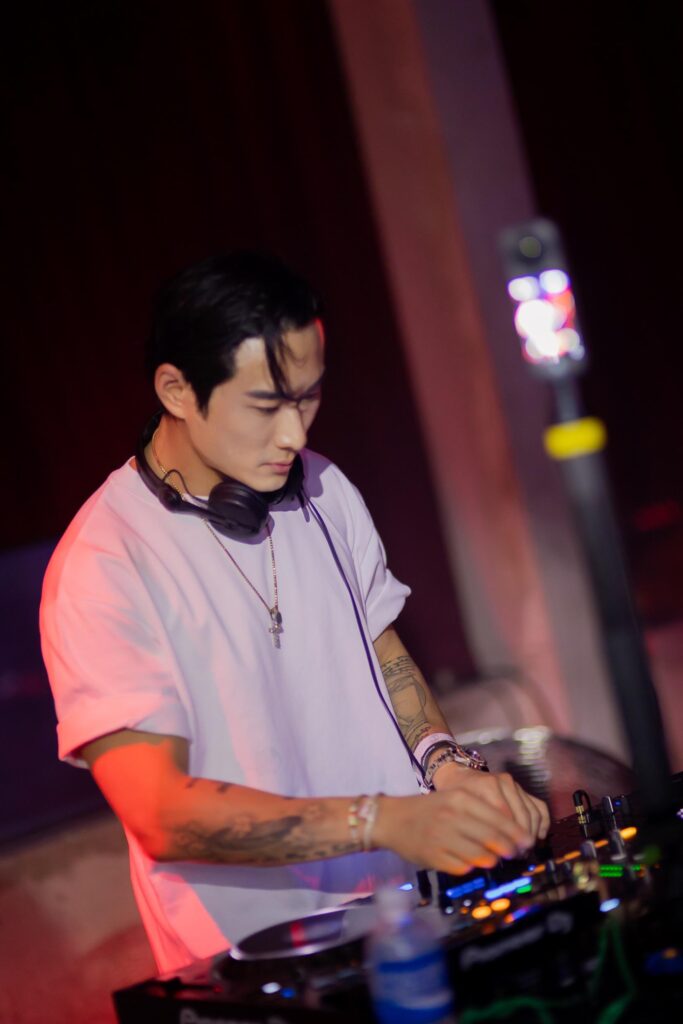
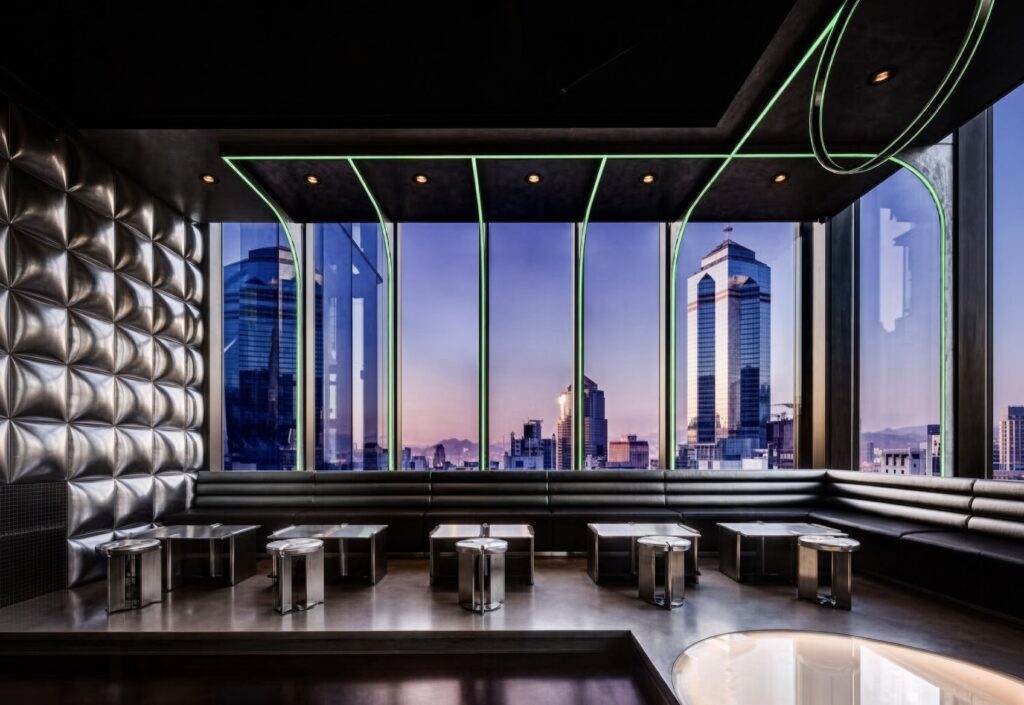
On FAYY, he refuses to follow the crowd. “Hong Kong already has a lot of places that feel like a copy of somewhere else. I would rather decide what the night is, and then stay with it.” FAYY sits on the top floors of California Tower, with a view that needs no help. He knows the soul is in the detail. “Who is in the room, what the music is doing, when to let the night loosen and when to bring it in. People can tell when an evening has been thought about, and they can tell when it has been copied.” He respects the city’s pace without following every trend. A good night, to him, is one a guest is still talking about the next day.
That command of atmosphere is why people call him a super-connector, though he puts it more modestly. “I would not call myself that. A lot of it is just hosting.” When he stages a big evening, the real skill is knowing who will be comfortable together, and which room suits whom. “It is also knowing when not to add another person. People remember whether they had a good night. They do not usually remember who arranged the table.” He credits both architecture and nightlife for that: “You set things up, then you step back. If the room is working, you do not need to be the centre of it.”
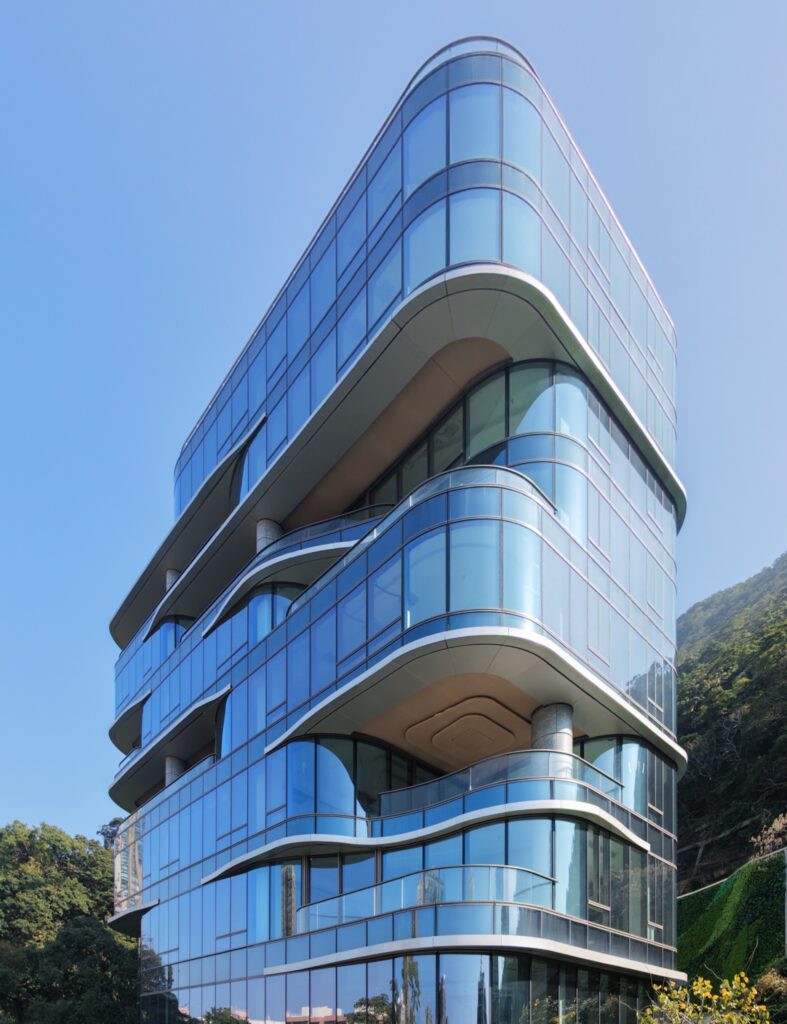
His most disruptive decision was to put his training into the family business instead of opening a studio in New York. “New York made having my own studio look like the obvious path. But the more interesting work was already here. Properties, hotels, and later a club. I did not want those to be separate from the design side. So I stayed, and tried to bring that way of seeing into all of it.” Po Shan Road is the clearest proof. The vertical villa, the first of its kind in Hong Kong, has been treated as a piece of design rather than only as a development, and it drew Louis Vuitton’s secret party and a Cartier launch. “Neither was a logo placed on a building. Both only worked because the house could hold them.” That was the thing that made the rest possible.
In twenty years I would like the name to be tied to the rooms, more than to a title. A home that felt right. A night people still talk about. Something like the water, done with care.
He has also moved into premium drinking water, launching a new brand with the royal family of Bhutan. “It came from the water, not from a plan to enter a market. Once you have been to the source in Bhutan, the idea of putting it in a bottle only makes sense if you leave it alone. Working with Her Royal Highness came from that. The place matters more than the product.” The market is full of premium waters that are a story on a bottle. He chose to let a mountain do the talking. “If it goes further, it should be because the water is good, not because we talked it up.”
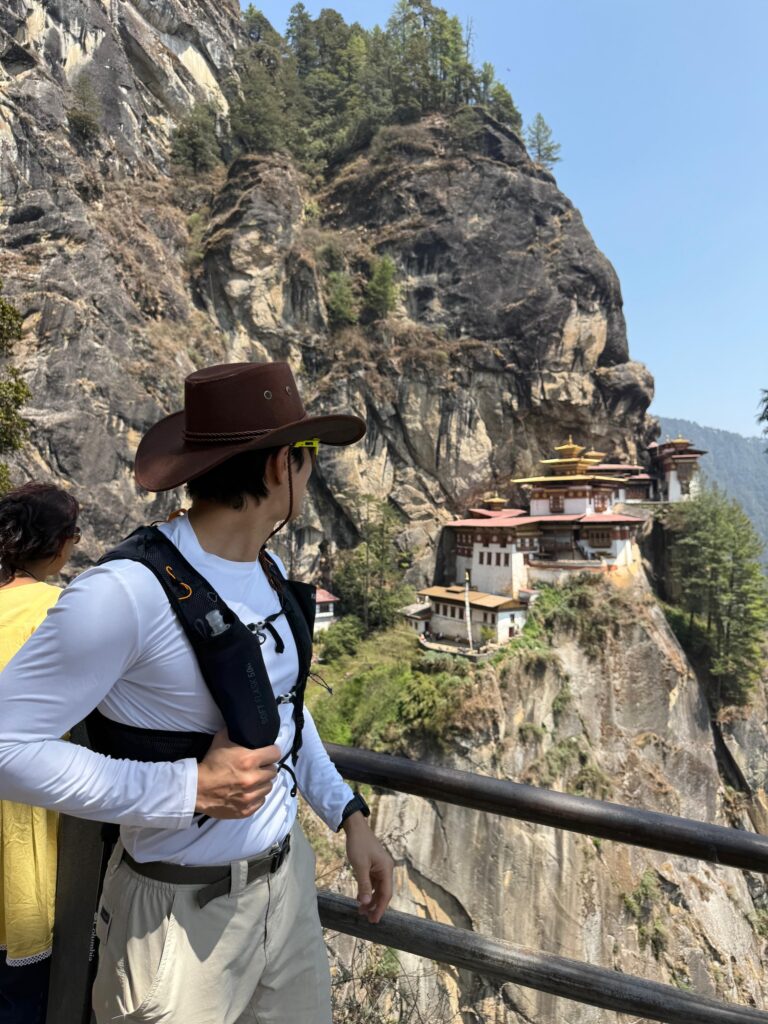
Asked about legacy, Edwin says: “In twenty years I would like the name to be tied to the rooms, more than to a title. A home that felt right. A night people still talk about. Something like the water, done with care.” Between inheritance and building something of his own, he has found the balance: “If there is a mark of my own, I hope it is that the things I touched were done properly, and that people were glad to be there.”
Photographer: Ki Tang Hair Stylist: Anthony Wong Make Up Artist: Lisa H. Suit by Tailorable

Recommended Articles